A Short History Of Ballet
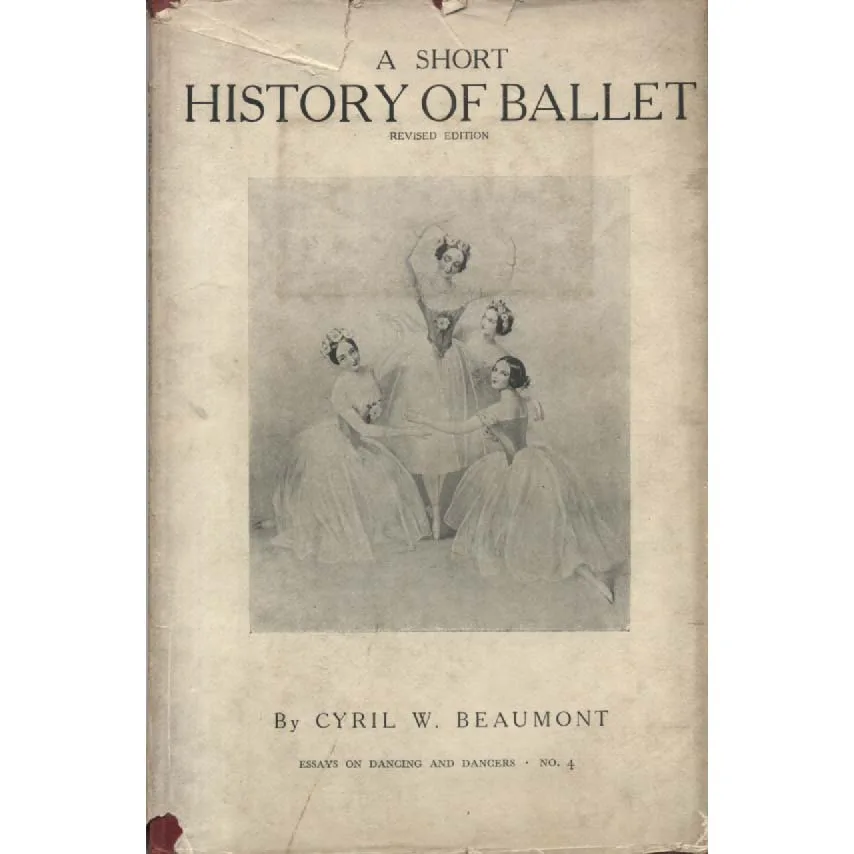
Publisher: CW Beaumont
Format: Hardback
ISBN: none
Ah, "A Short History of Ballet" by the illustrious Cyril W Beaumont—crafted in the quaint yet somewhat perplexing year of 1936. This tome promises to whisk you through the pirouettes and pliés of ballet’s storied past, all while maintaining an air of scholarly elegance that one might expect from a book whose very title seems to concede its own brevity. A paradox, really, akin to trying to condense the grandiosity of a Swan Lake performance into a limerick. One might wonder if Mr. Beaumont intended to tease us with an ironic nod, appearing to be both informative and deliberately lacking in depth, much like a prima ballerina who forgets her dance shoes on the way to the stage.
Within these pages, you’ll discover the many phases of ballet—from its humble beginnings in the courts of Italy to the extravagant and often bewildering interpretations that graced the British stage. Beaumont, a gentleman of considerable knowledge and a penchant for the dramatic, gives us insights that are as rich as a chocolate éclair at a tea party, yet as airy as the tulle of a ballet tutu. One can only assume he penned this book with a quill made of a swan’s feather, carefully considering the delicate nature of his subject. In a way, it begs the question: how does one encapsulate centuries of dance without losing one’s own footing?
In this edition, you will find not merely a history but a delightful tapestry woven with threads of passion, despair, and perhaps a sprinkle of pretentiousness. Beaumont has a knack for illuminating the dancers who shaped this art form, from the swashbuckling masters to the delicate prima ballerinas who made heads turn without needing to say a word—because, let’s face it, they were busy executing fouettés. This is not just a book; it is an invitation to sip tea while pondering the existential crises of those who have danced through time.
As you leaf through its pages, don’t be surprised if you find yourself tapping your toes to an imaginary orchestra, or perhaps contemplating the delicate balance between the sublime and the absurd in life, much like ballet itself. It’s a treatise on art that somehow manages to feel like an avant-garde performance—somewhat confusing, occasionally brilliant, and undeniably entertaining.
Condition: Good, which in the world of second-hand literature can mean a variety of things. This book may possess the charming scent of age, possibly mixed with the faint whiff of a bygone tea party where everyone insisted on discussing the merits of Tchaikovsky while wearing far too much taffeta. Expect slight yellowing of pages and a cover that might be more bent than a dancer’s foot after a particularly grueling rehearsal, but fear not! The narrative remains intact, unlike the dreams of those who once aspired to a career in ballet.
One might argue that this book is perfect for the ballet novice, the casual reader, or the snobbish intellectual who needs to sound cultured at dinner parties. It lends itself well to the following pursuits:
- Impressing your friends with obscure knowledge about dance.
- Finding a new and creative way to procrastinate.
- Using it as a conversation starter with that one friend who keeps insisting they could have been a dancer.
- Practicing your own pirouettes while desperately trying to balance the book on your head.
- Creating an ironic centerpiece for your next literary gathering.
So, if you are in the mood for a brisk jaunt through the ballet history, replete with the quirks and follies of its key players, this book is calling your name—assuming, of course, you can hear it over the sound of your own inner monologue questioning your life choices. Grab a copy from Crappy Old Books, where the only thing we take seriously is the joy of rediscovering literary treasures that others may have overlooked—like that one pair of dance shoes hiding in the back of your wardrobe, waiting for a moment of glory that may never come.
Keep browsing: See more Art books Other books by Cyril W Beaumont